

If you read my last column, you know I’m an avid birder. My favorite bird is the endangered Whooping Crane.
I met my first captive pair at the San Antonio Zoo, which runs a well-respected breeding program. We are all fortunate to live near the Whooper’s winter residence: in and around the Aransas Pass National Wildlife Refuge (NWR), where they live from November through April.
The Whooping Crane is America’s tallest bird. Its population declined to fewer than two dozen in the 1940s, due to habitat destruction and pesticides.
According to the US Fish and Wildlife Service (FWS), “all Whooping Cranes alive today have come from the all-time low of 15 whooping cranes that were wintering at Aransas NWR in 1941.”
Extensive conservation efforts have significantly improved the bird’s status to several hundred wild birds. The FWS survey for the 2024-25 wintering population estimated their numbers at a record 557.
There are also populations at Wood Buffalo National Park in Canada ( breeding) and reintroduced populations in the eastern U.S. Current threats include continued habitat loss, power lines, climate change and illegal shooting.
Shooting such an endangered bird is a serious offense — penalties include large fines, permanent hunting/firearm bans and potential jail time.
Another Endangered Species Act success story is the quintessential American bird, the Bald Eagle, the only eagle solely native to North America.
It was previously classified as Endangered (again, due to habitat destruction and pesticides), but in another conservation success story, it was delisted in 2017.
It remains protected by laws like the Bald and Golden Eagle Protection Act. This law prohibits killing, selling or otherwise harming eagles, nests or eggs.
The online birding site eBird reports several observations of one or two Bald Eagles at Boerne City Lake Park, as recently as Dec 7, as well as a few other areas around Kendall County.
According to the FWS, “When America adopted the Bald Eagle as the national symbol in 1782, anecdotal accounts stated that the country may have had as many as 100,000 nesting eagles. The first major decline of the species probably began in the mid to late 1800s.” There are now well over 300,000 of the birds in the lower 48 states.
Sadly, conservation efforts such as these are under attack with the current administration. This past summer, FWS withdrew the final Land Protection Plan for the Muleshoe National Wildlife Refuge in the panhandle, the oldest national wildlife refuge in Texas. It is home to the endangered lesser prairie chicken, determined by FWS as facing immediate extinction.
The FWS press release states that this withdrawal will “ensure America’s lands continue to support energy development, agriculture production and our local economies.” What this really means is the land will be released to oil and gas drilling, major corporate agriculture and rampant development.
According to the advocacy group Defenders of Wildlife, “The plan was based on 15 years of research and collaboration with local partners and imposed no new regulations on private landowners nor impacted their property rights.”
The Defenders director said, “To withdraw the plan is to undermine science-based management, set back recovery of imperiled species, and deprive landowners of the opportunity to voluntarily sell their properties to the U.S. Fish and Wildlife Service.”
Other administration attacks on conservation include FWS losing nearly 20% of its staff between 2024 and May 2025. According to the endangered species co-director at the Center for Biological Diversity, “Monarch butterflies, hellbender salamanders, and so many more plants and animals are staring down the barrel of extinction while the administration slashes staff dedicated to preserving America’s struggling wildlife. “This is an agency that needs more resources to help endangered species and the places they live, not fewer. By pushing biologists and other wildlife experts out of public service, this administration is inflicting enormous harm on some of America’s most beloved creatures. The result could be extinction.”
Thanks for reading. To find out more about how to get involved with local Democratic activities and activism and to fight for more conservation funding, visit www.kcdems.us
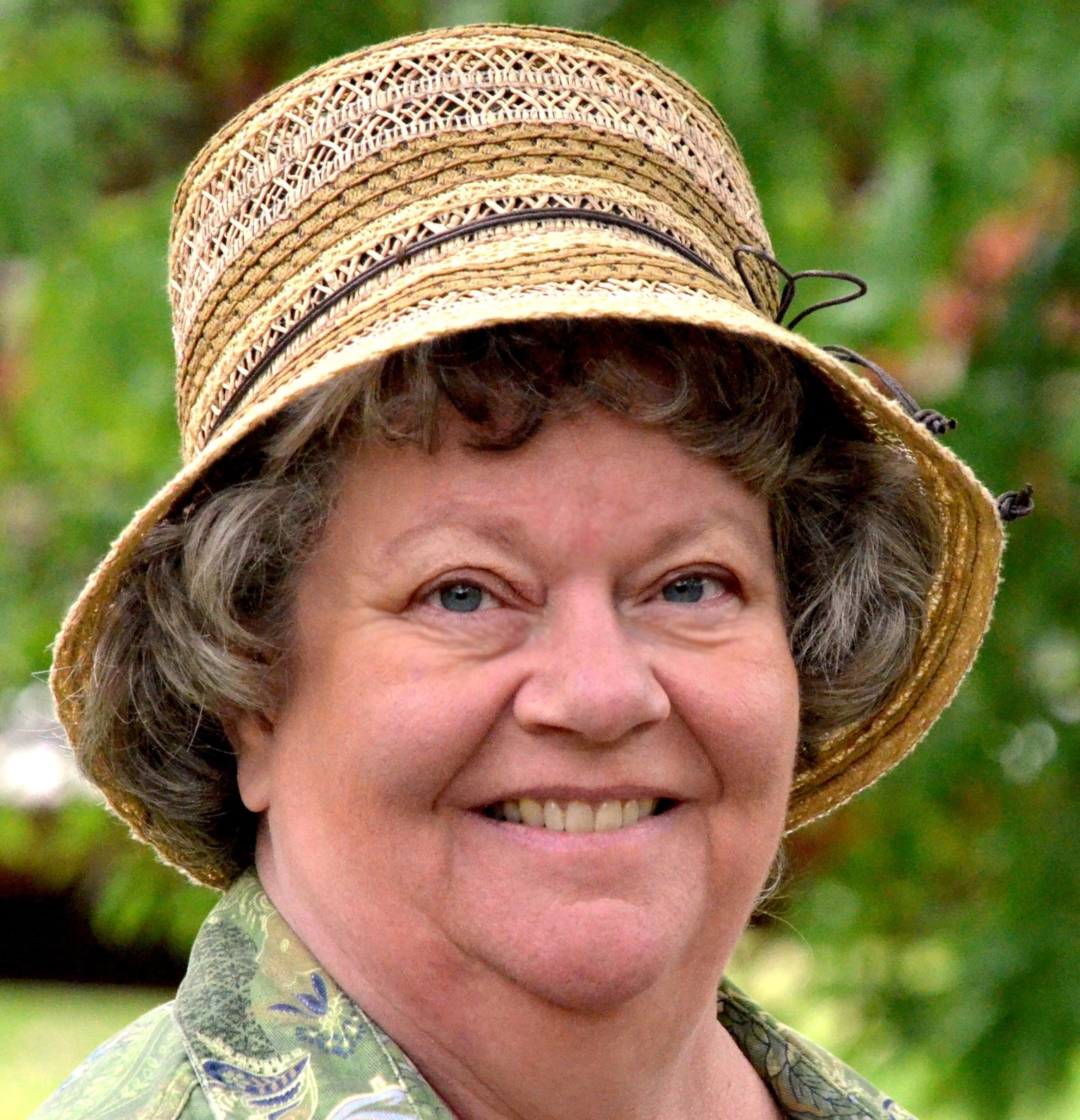
Laura Bray is Chair of the Kendall County Democratic Party.



Comment
Comments