

SHARING THE PAST
An influx of British settlers came to Boerne in the 1870s. Though only a few compared to the established German settlers, they made significant changes to the culture of Boerne.
They resisted the teaching of students in German, introduced new farming practices and introduced the sport of polo.
They founded the Boerne Methodist Church and the Boerne Academy & College, which offered classes in English.
The British immigrants did not arrive by chance. Dr. William Kingsbury, a San Antonio dentist, worked tirelessly to persuade Englishmen to come to Texas. Kingsbury owned a ranch on the south side of Boerne and was an active civic promoter.
He was the first president of the San Antonio Fair Association and, in the 1870s, served as the corresponding secretary of the Agricultural Association of Western Texas.
Kingsbury was sent to the 1873 Vienna World’s Fair to promote immigration to Texas. He induced thousands of people to immigrate to Texas through his speeches, pamphlets, articles and books. So many English people came to Texas in the 1870s and settled in Boerne that one Boerne historian called it “the British Invasion.”
There was no public school in Boerne. Students were educated by private tutors. Kingsbury’s son, Ferdinand, was taught by Professor Dienger, and classes were taught half the day in German. English settlers who wanted their children taught in English sent them five miles away to Perrin’s school in Balcones.
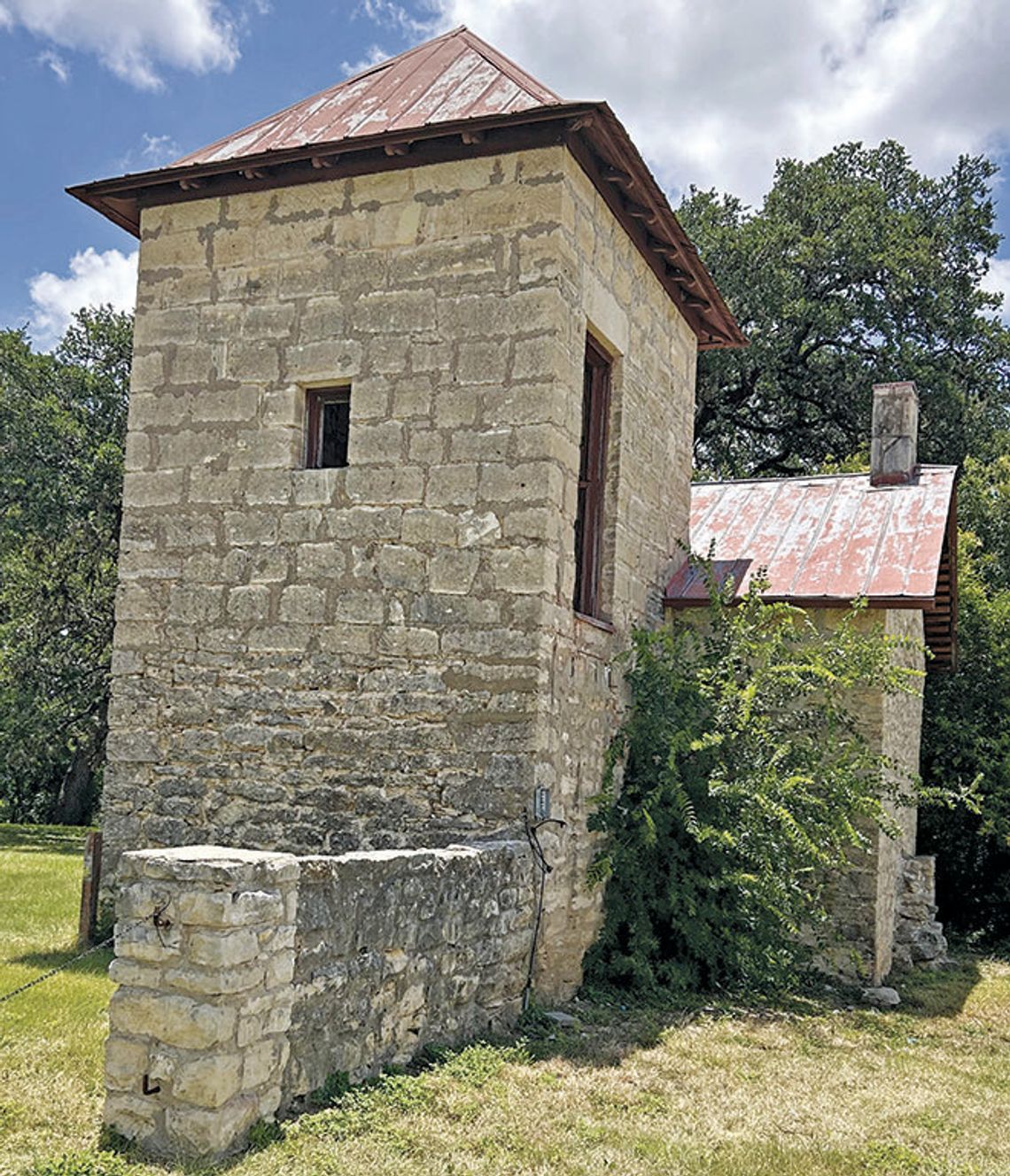
The Kingsbury House, located in front of Walmart on South Main Street.
Courtesy photo Kingsbury became an agent for the Texas Bureau of Immigration and opened an office in St. Louis, Missouri, to promote immigration. Then, working with the railroad, he opened an office in London, England. The railroads promoted immigration to sell the large Texas landholdings they had been granted.

Kingsbury, like George Kendall before him, wrote glowing accounts of the virtues of settling in Texas. He published a pamphlet titled, “A Description of South-Western and Middle Texas.”
He wrote, “These are rich and fertile lands, so cheap that the laboring man may get .. 10 acres for an honest month’s work ... an atmosphere so pure that fresh meat ... will cure without tainting ... people may sleep out of doors the year around.”
Kingsbury was instrumental in the San Antonio & Aransas Pass Railroad reaching Boerne. The San Antonio Daily Express wrote, “There was great joy and celebration as approximately 600 sightseers and dignitaries ... disembarked ... Kingsbury made a welcoming address.”
Then there was a terrible drought in Texas. Crops failed and livestock died. One observer said, “All the people here ... condemn Kingsbury ... (as a) damned swindler. He is doing Texas a great harm by his exaggeration and misrepresentation, and promising men work and good pay ... there is no work.”
Kingsbury’s wife, Kate, was also active in community affairs. In 1875, she was one of the founding members of the Methodist Church in Boerne.
Kingsbury died in 1896 and Kate died in 1902. Both are buried in Boerne Cemetery.
“Sharing the Past” is organized by the Kendall County Historical Commission, www. facebook. com/ KendallCountyHistoricalCommission



Comment
Comments