

Editor’s note: Boerne observes Martin Luther King Jr. Day Monday with a community rally and more at the Main Plaza Gazebo. There will be songs, remarks, readings and refreshments.
The first school in Boerne opened shortly after 1873 when the Boerne Gesangerverein (German Singing Society) donated land and the Boerne School Society built the schoolhouse at 402 E. Blanco Road.
However, blacks were not allowed to attend. At the time of the Civil War there were about 90 African Americans enslaved in Kendall County.
After the war, some remained on the farms and ranches, but most moved to three freedom colonies where they acquired hundreds of acres of farmland and ranches through purchases and a type of homestead called a Preemptive Land Grant.
Between 1900 and 1910, many of the Kendall County African Americans moved off the farms into Boerne. They acquired homes in the Irons and Graham additions in Boerne.
This housing development on the west side of Cibolo Creek between San Antonio Avenue and Theissen Street is known locally as “the Flats.”
The black community moved to establish their own church, school and graveyards.
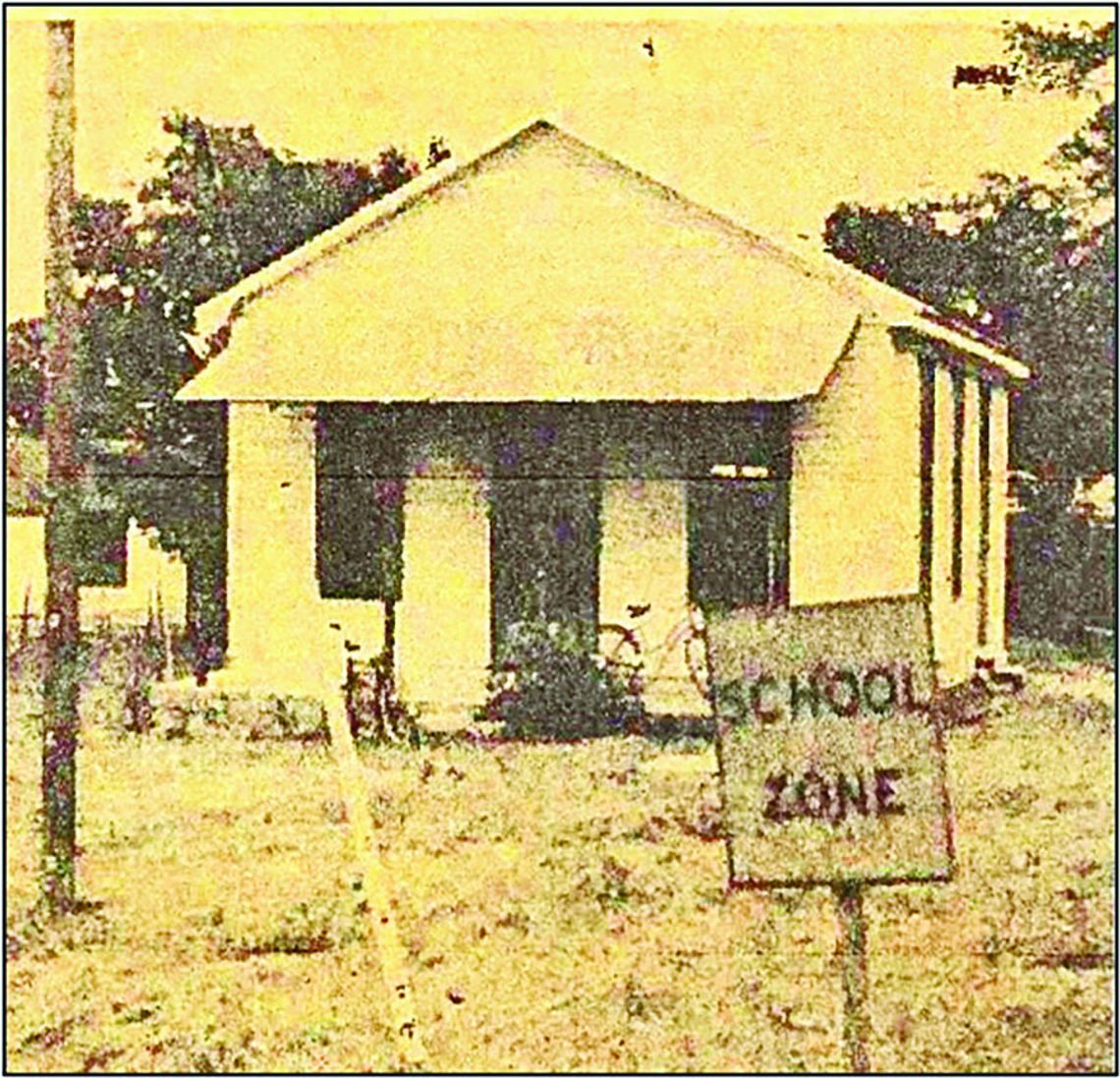
In 1910, Boerne provided a one-room schoolhouse. It was an old building that was moved from 402 E. Blanco Road to the Flats.
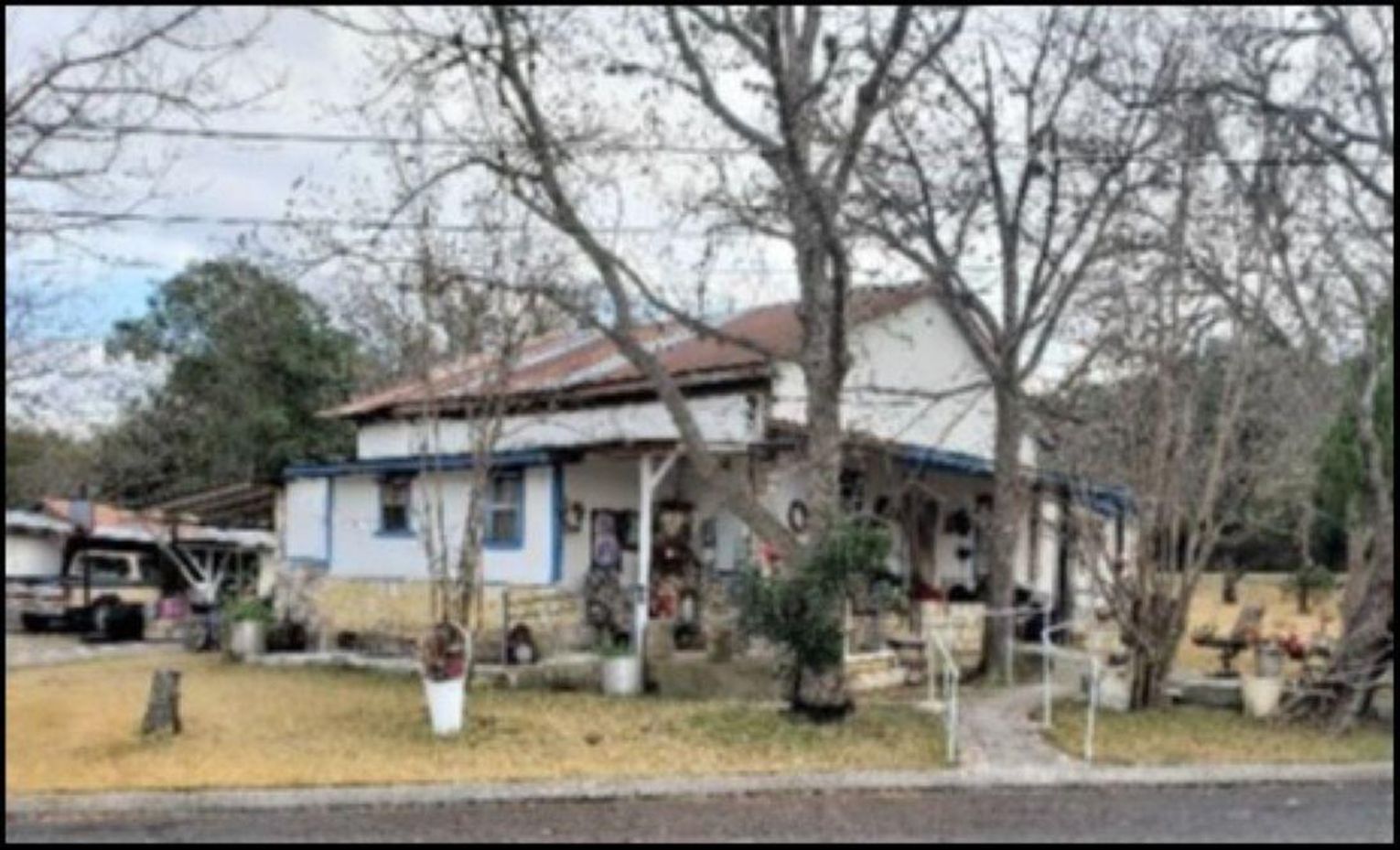
It was a typical one-room elementary school, teaching first through sixth grade. It was called the Royal School and can be seen today at its original location, 623 W. O’Grady St. The current owner has made additions to the old schoolhouse, but it is still much as it was.
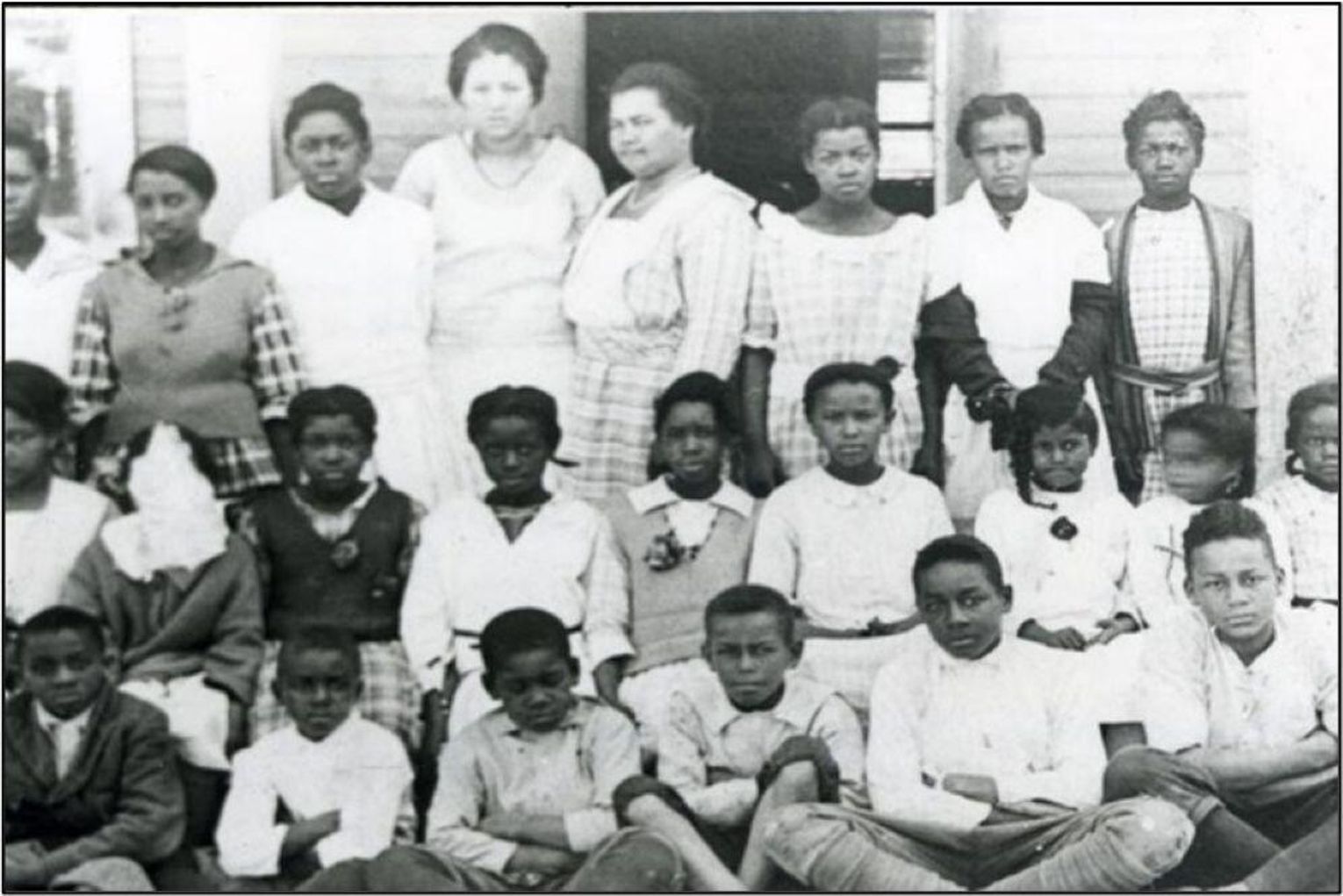
By 1930, 18 African American families owned or rented homes in the Flats and numbered 43. The children filled the Royal School.
African American teachers who came from San Antonio to teach at the Royal School stayed in the Flats during the week, in a spare room at 518 W. Graham St. in a house built by Frankie and Eugene Ferrell.
One of the Royal School teachers, a Mrs. Reynolds, told the Boerne Star at the time, “There is so much they (the black students) are missing.”
Today, we can only guess what she meant by that comment.
Black families largely left Kendall County, especially after World War II, in search of better employment and social opportunities. By the 1950s, most of the African American families with school-age children had moved to other states or to cities that had junior and senior high schools for their children, such as San Antonio’s St. Peter Claver School and the Doyle School in Kerrville.
The number of students at the Royal School declined until there were only two, the children of the Ferrells. Their application to transfer to Boerne High School was denied.
By 1999, all the African Americans who originally inhabited the Flats and the freedom colonies had either died or moved to communities that offered better schools, churches, jobs and quality of life.
Many of those that died here are buried in three separate cemeteries in Kendall County and a cemetery in the Peyton Colony near Blanco. These colony cemeteries can be seen today: the Wren Freedom Colony Cemetery, just north of Boerne; the Spanish Pass-Wasp Creek Colony, near Welfare; the Simmons Creek Colony, near Kendalia; and the Peyton Colony southeast of Blanco.
There are no known former colony descendants living in Boerne or Kendall County.



Comment
Comments